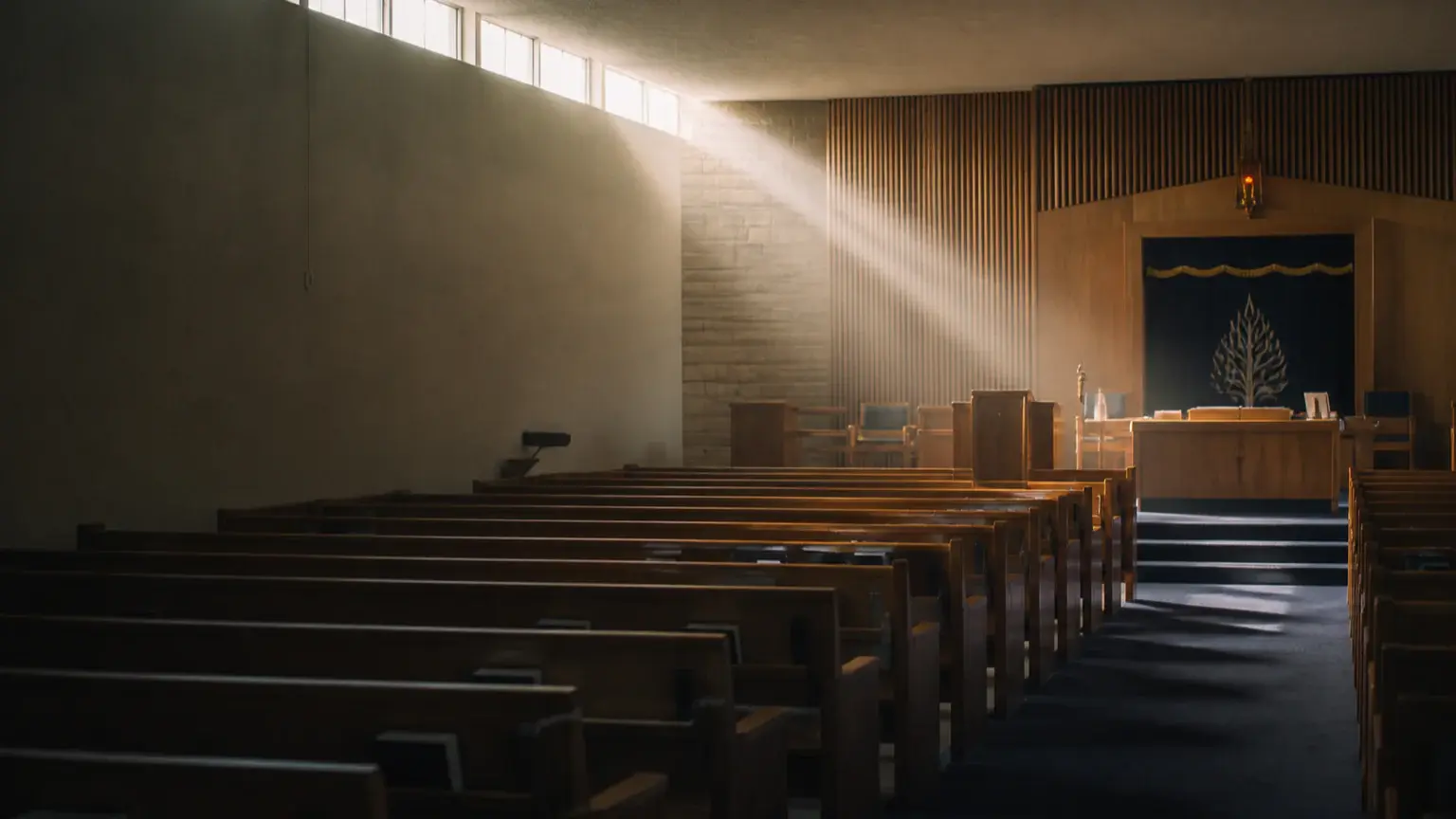
Insuring a building that cannot simply be rebuilt.
Houses of worship need property coverage that reflects their construction, stained glass, sacred spaces, and true rebuilding cost—not a generic commercial estimate.
What this covers
What a congregation's property program covers.
The sanctuary is the visible part. The gaps usually sit in the clauses around it.
Buildings & structures
Sanctuary, social hall, classrooms, offices, and outbuildings. Valuation is the central question: a replacement-cost figure derived from generic square-foot tables rarely reflects stained glass, plaster detail, custom woodwork, or a pipe organ. A proper appraisal is worth the cost for any historic building.
Contents & fixtures
Seating, sound and streaming equipment, kitchen equipment, libraries, classroom materials, and instruments. Congregations frequently insure the building carefully and the contents by rough estimate. An inventory with photographs is unglamorous and enormously valuable after a loss.
Ordinance or law
When an older building is damaged, current codes usually apply to the repair — accessibility, fire suppression, electrical, and structural requirements that did not exist when it was built. Without ordinance-or-law coverage the congregation pays that difference. On historic buildings it is one of the most important endorsements on the policy.
Business income & extra expense
If the building is unusable, the congregation still has staff, obligations, and programs — and may need to rent space. Contributions frequently decline when a community cannot gather. This coverage funds the interim, and the restoration period should reflect how long a specialized rebuild actually takes.
Equipment breakdown
Boilers, HVAC, elevators, and increasingly the audio-visual systems that congregations came to depend on. Older mechanical systems in large buildings fail expensively.
Water, weather & the perils that recur
Frozen pipes in a building heated intermittently, roof leaks over a sanctuary, sewer backup in a basement social hall. Flood remains excluded and requires separate coverage where exposure exists.
Typically included
What we build into a congregation's property program.
The aim is a policy that can actually rebuild what you have.
Replacement cost supported by an appraisalOrdinance or law coverageBusiness income with a realistic restoration periodEquipment breakdownWater backupScheduled fine arts and sacred propertyOutdoor property and signageCoverage during renovation projectsNot sure? Ask us
Where policies fall short
The property gaps we find in congregations.
Most trace back to a limit nobody has revisited in a decade.
01
A replacement limit from a generic estimate
Square-foot tables do not price stained glass, plaster, or custom joinery. Historic buildings need an appraisal, and the difference is frequently large.
02
No ordinance or law coverage
The single most expensive omission on an older building. Code upgrades required during a repair are excluded from standard property coverage.
03
Business income treated as optional
Congregations assume the building is the loss. The interruption — rented space, continued salaries, reduced giving — is often the larger financial event.
04
Contents insured by estimate
Without an inventory, a contents claim becomes a negotiation from memory at the worst possible time.
05
A renovation nobody told the carrier about
Construction projects change the risk and often require builder's risk coverage. Carriers need to know before the work starts.
Common questions
What boards ask about property coverage.
The questions that come up at every annual review.
How should we value a historic sanctuary?
With an appraisal rather than a formula. Functional replacement cost — rebuilding to serve the same purpose with modern materials — is sometimes the appropriate approach for buildings that genuinely could not be reproduced. That is a deliberate decision the board should make knowingly, not a default that happens by accident.
Do we need business income coverage?
Yes. Salaries continue, programs need space, and giving frequently falls when a community cannot gather in its building. It is the coverage that determines whether a congregation stays together through a long rebuild.
We are starting a building project. What changes?
Tell us before work begins. Renovations typically require builder's risk coverage, may change the property limit, and can affect liability while contractors are on site. It is a short conversation that prevents a serious gap.
Is flood covered?
No. Flood is excluded from property policies and needs separate coverage. For congregations with basement social halls or classrooms, it is worth pricing even outside a mapped flood zone.
Our review
What we review for a congregation's property.
Building valuation and appraisal date
Ordinance or law limits
Contents inventory and scheduled items
Business income limit and restoration period
Equipment breakdown
Roof age and any settlement schedule
Deductibles including wind and hail
Planned construction or renovation
Review the building details behind the policy.
Current appraisals, inventories, renovation plans, and scheduled property give us the facts needed to evaluate the coverage accurately.