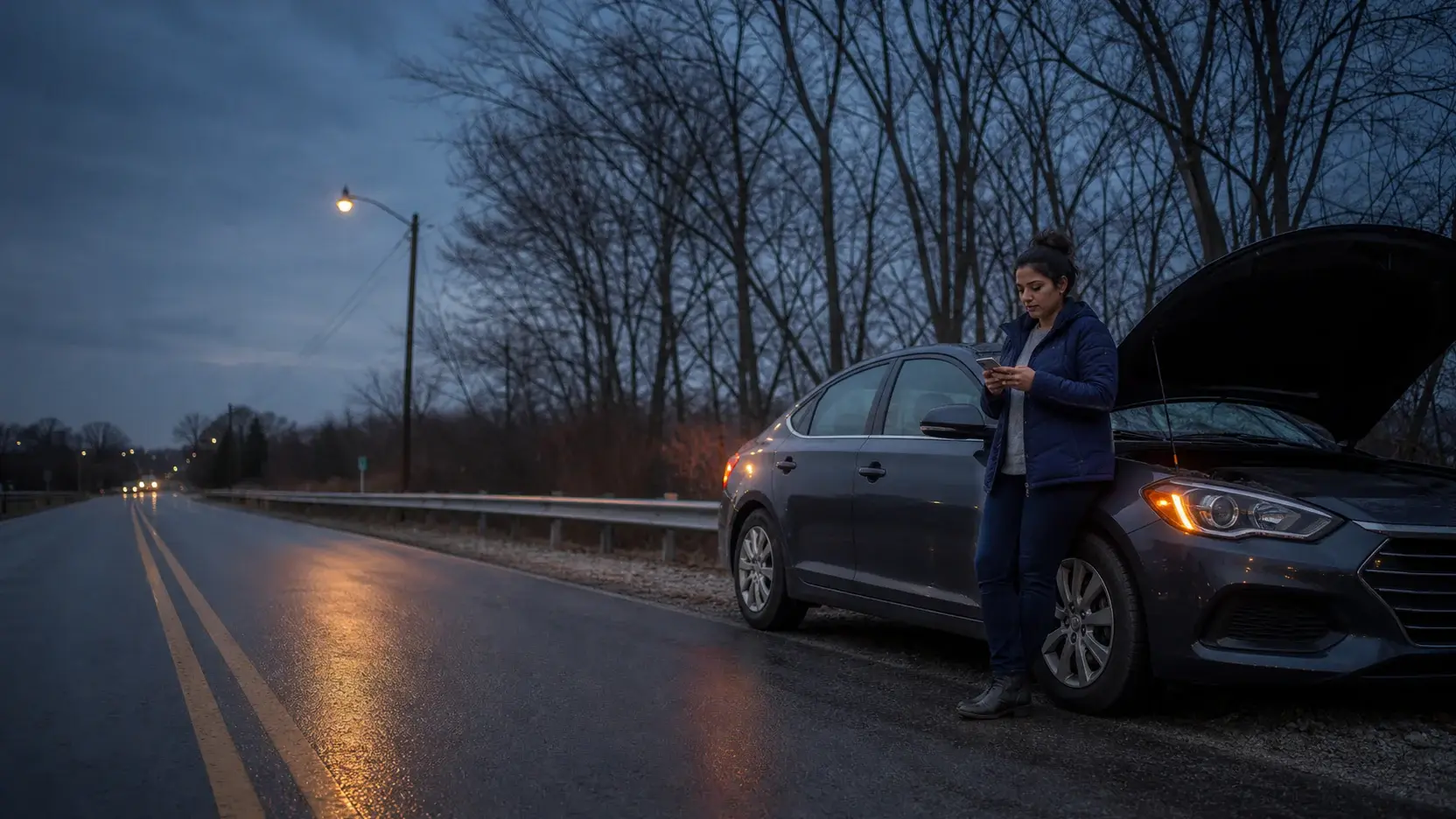
We compare liability limits, uninsured-driver protection, deductibles, and the details that matter after a crash—not just the price.
What this covers
The parts of an auto policy that decide a claim.
An auto policy is really several coverages sold together, and they fail in different ways. These are the ones we spend the most time on.
Bodily injury liability
The coverage that pays when you injure someone else, and the single most under-bought line in personal insurance. State minimums were set decades ago and have not tracked the cost of an emergency room, a surgery, or a lost career. When a judgment exceeds your limit, the balance comes from your savings, your home equity, and in many states your future wages. We size this against your balance sheet, not against the registration requirement.
Uninsured & underinsured motorist
Roughly one in eight drivers nationally carries no insurance at all, and a far larger share carries the legal minimum. This coverage steps in when the person who hit you cannot pay for what they did. It protects you and your passengers, and it is usually inexpensive relative to what it does. We check that it is present and that its limit is not quietly lower than your own liability limit.
Collision & comprehensive
Collision pays for your vehicle in a crash; comprehensive covers theft, weather, fire, glass, and animal strikes. The real decisions here are the deductibles and whether the payout is settled at actual cash value. On a newer or financed vehicle, gap coverage matters too, because a total loss can leave you owing more than the insurer pays.
Everyone who drives the car
Teen drivers, an adult child home from school, a caregiver, a neighbor borrowing the truck. Household members generally need to be listed, and leaving someone off to hold the premium down is the kind of shortcut that surfaces at claim time. Rideshare and delivery work is its own question: personal policies typically exclude it without a specific endorsement.
Medical payments & PIP
Medical payments coverage handles injuries to you and your passengers regardless of fault, often with no deductible. In no-fault states, personal injury protection does similar work with different rules and can also cover lost wages. It is small money that removes friction early in a claim, before liability is sorted out.
Rental, towing & the small print
Rental reimbursement, roadside assistance, new-car replacement, diminished value, and OEM parts language. None of these change the premium much. All of them change the experience of a claim, and they are the clauses most likely to differ quietly between two quotes that look identical on price.
Typically included
What a policy we would recommend usually includes.
Not every policy needs every line, but this is the shape of a policy built to hold up rather than to win on price.
Liability well above state minimumsMatching uninsured/underinsured limitsComprehensive & collision with chosen deductiblesMedical payments or PIPRental reimbursementRoadside assistanceGap coverage on financed vehiclesRideshare endorsement where applicableUmbrella-ready underlying limitsNot sure? Ask us
Where policies fall short
The four gaps we find most often.
These come up again and again when we read a policy someone has held for years.
01
State-minimum liability on a household with real assets
The most common and most consequential gap. A policy written when someone was twenty-five, renewed without review through a house, a marriage, and a career. The premium difference between minimum limits and meaningful ones is usually modest; the difference in exposure is not.
02
Uninsured motorist coverage lower than liability
Many policies carry strong liability and thin uninsured-motorist limits. That combination protects the other driver better than it protects your own family. We look for the mismatch specifically.
03
A teen driver added to the wrong vehicle
How a young driver is assigned across vehicles changes both the premium and the coverage that applies. It is worth getting right at the moment the license is issued rather than at the first claim.
04
Rideshare or delivery driving on a personal policy
Personal auto policies generally exclude commercial use. A driver doing weekend delivery work without an endorsement may find a claim denied outright — a gap that did not exist when most people bought their first policy.
Common questions
What drivers ask us first.
Straight answers, without the sales pitch.
How much liability coverage do I actually need?
Enough to protect what a plaintiff could reach. Start with your net worth — savings, home equity, investments outside protected retirement accounts — and your future earnings. Most households we review should be carrying substantially more than their state requires, and for many the answer is to raise auto liability to the level an umbrella policy will sit on top of.
Will my rate go up if I file a comprehensive claim?
Comprehensive claims — glass, hail, theft — are generally treated differently from at-fault collisions, and a single one often has little or no effect. Frequency matters more than any one claim. That said, rules vary by carrier and state, which is one of the things worth asking before you file rather than after.
Should I raise my deductible to lower the premium?
Only up to the amount you could pay tomorrow without borrowing. Raising a deductible from $500 to $1,000 is often a reasonable trade. Raising it to a number that would genuinely hurt converts a manageable premium into an unmanageable claim.
My car is old. Do I still need collision coverage?
At some point the annual cost of collision and comprehensive approaches what the car is worth, and dropping them becomes rational. That calculation depends on the vehicle's actual cash value and whether you could replace it out of pocket. It is a real conversation, not an automatic yes or no.
Does my policy cover a rental car on vacation?
Usually your liability and physical damage extend to a rental in the United States, but the details vary and coverage abroad frequently does not apply. Loss-of-use and administrative fees charged by rental companies are also a common gap. Worth a two-minute check before you decline the counter coverage.
Our review
What we read on your current policy.
Bodily injury and property damage liability limits
Uninsured and underinsured motorist limits and whether they match
Deductibles on every listed vehicle
Every household member and how drivers are assigned
Rideshare, delivery, or business use of a personal vehicle
Gap coverage against the loan or lease balance
Rental reimbursement, towing, and OEM parts language
Discounts applied — and whether they persist past the first term
Bring your declarations page. We will read it with you.
Fifteen minutes with the actual document usually surfaces something worth changing, whether or not you move the policy.