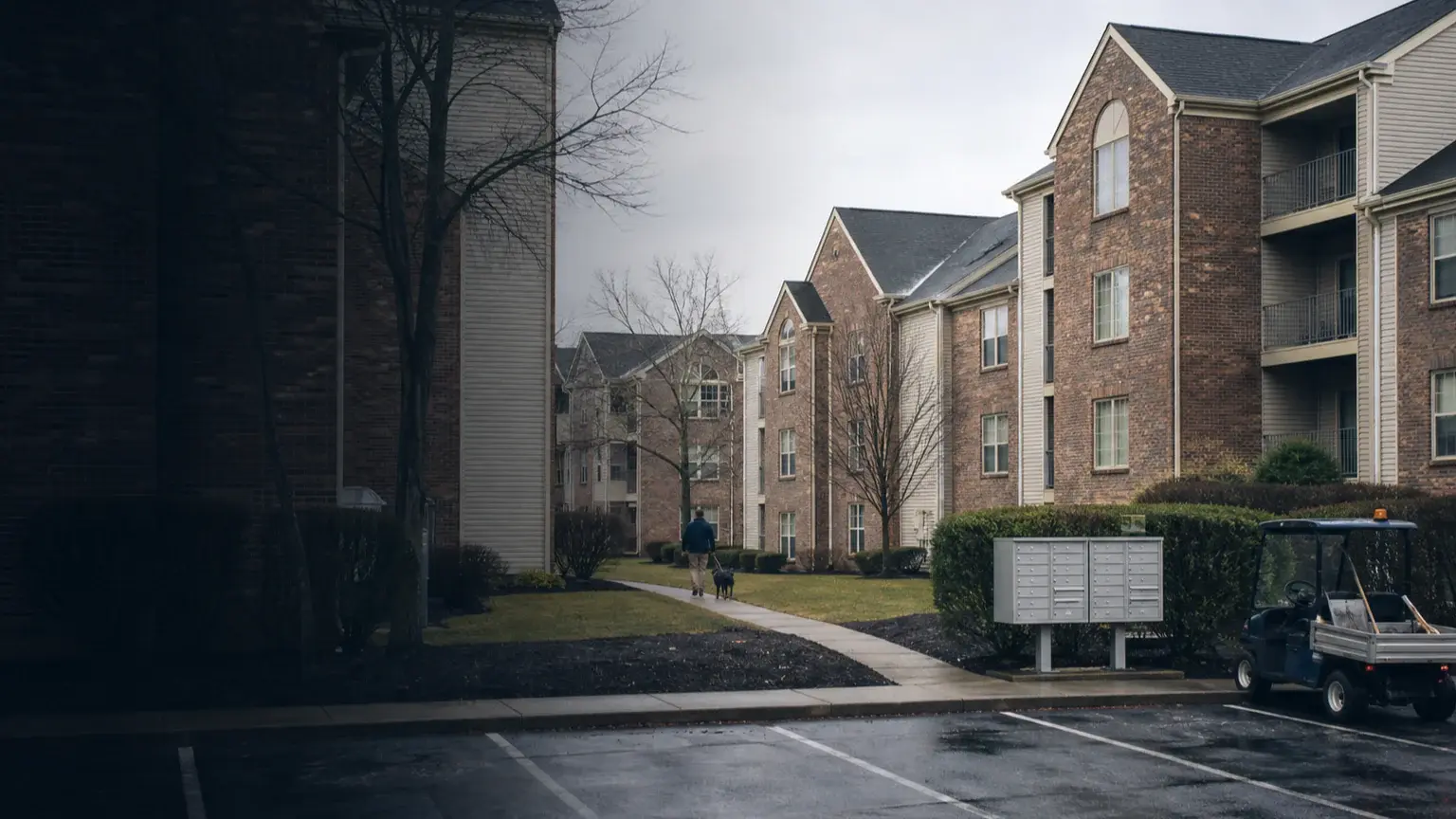
We read the association documents first, then align the master policy with what the association and unit owners are each responsible for insuring.
What this covers
The association program, piece by piece.
Five coverages, and one document that governs how the first one works.
Property & the bare walls question
Whether the master policy covers the units as originally built, all-in including fixtures and improvements, or bare walls only is determined by the governing documents. This single distinction decides who insures a kitchen after a burst pipe, and mismatches between bylaws and policy form are common.
General liability
Injuries in common areas — walkways, pools, lobbies, stairwells, parking. The association's most visible exposure and usually its most frequent claim.
Directors & officers
Board members are volunteers making decisions about other people's money and property. Disputes over assessments, rule enforcement, elections, and maintenance decisions land here. Without D&O it is difficult to recruit anyone willing to serve.
Fidelity / crime
Theft of association funds by a board member, employee, or property manager. Many state statutes and lender requirements set minimum fidelity limits tied to reserves, and coverage should extend to the management company handling the money.
Loss assessment & the owners' side
When a loss exceeds the master policy, associations may assess unit owners. Owners can carry loss assessment coverage on their own policies, and boards do their members a service by telling them it exists and what limit to carry.
Equipment breakdown & ordinance
Boilers, elevators, and HVAC failures, plus ordinance-or-law coverage to rebuild older buildings to current code. Both are routinely underfunded in association programs.
Typically included
What an association program should carry.
Lenders, statutes, and bylaws each impose requirements worth reconciling.
Property at replacement costA form matched to the bylawsGeneral liability for common areasDirectors and officersFidelity at the statutory or lender minimumEquipment breakdownOrdinance or lawUmbrella above the primary layersCoverage extending to the management companyNot sure? Ask us
Where policies fall short
Where association programs go wrong.
Usually a document problem before it is an insurance problem.
01
Bylaws and policy form that disagree
Bylaws say all-in; the policy is written bare walls. Nobody discovers it until a pipe bursts and two carriers point at each other.
02
Property limits behind the reserve study
Buildings insured at a figure set years ago while construction costs moved. Coinsurance can then reduce even a partial-loss payment.
03
No D&O, or D&O without entity coverage
Boards exposed personally, or the association itself uncovered when it is named alongside the directors.
04
Fidelity below the statutory requirement
Limits that have not kept pace with growing reserves, and coverage that stops short of the management company actually holding the funds.
05
Owners who do not know about loss assessment
A large assessment after a major loss surprises members who could have carried inexpensive coverage for exactly that.
Common questions
What association boards ask.
The recurring questions at annual meetings.
Who insures the inside of a unit?
It depends entirely on your governing documents. Bare-walls associations leave fixtures, flooring, and cabinetry to the unit owner; all-in associations cover the original construction and sometimes improvements. The first thing we do is read the bylaws against the policy form.
Do volunteer board members really need D&O?
Yes. Decisions about assessments, rule enforcement, and maintenance are regularly challenged, and directors can be named personally. D&O is also what makes it possible to find members willing to serve.
How much fidelity coverage do we need?
Often set by statute or by lender requirements tied to reserves and monthly assessments. It should also extend to any management company with access to funds, which is a gap we find frequently.
Should we tell owners to buy loss assessment coverage?
Yes. It is inexpensive on a personal policy and it protects members from a large surprise assessment. Boards that communicate this well have far fewer difficult conversations after a major loss.
Our review
What we review for associations.
Governing documents against the property form
Replacement cost valuation and the reserve study
Coinsurance provisions
D&O including entity coverage
Fidelity limits against statute and lender requirements
Management company coverage
Equipment breakdown and ordinance or law
Umbrella attachment points
Loss assessment guidance for unit owners
Bring the bylaws and the declarations page together.
Most association coverage disputes are settled — or created — by those two documents read side by side.